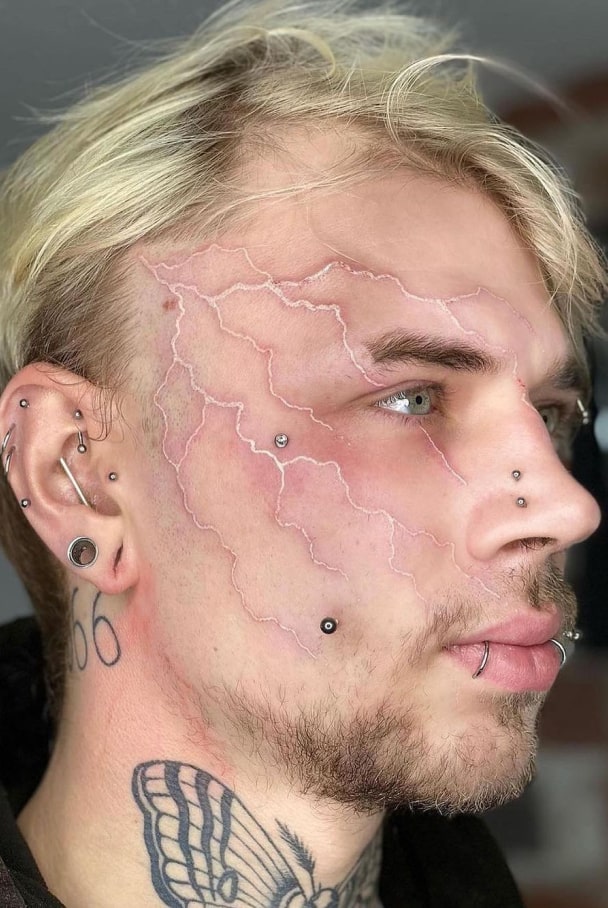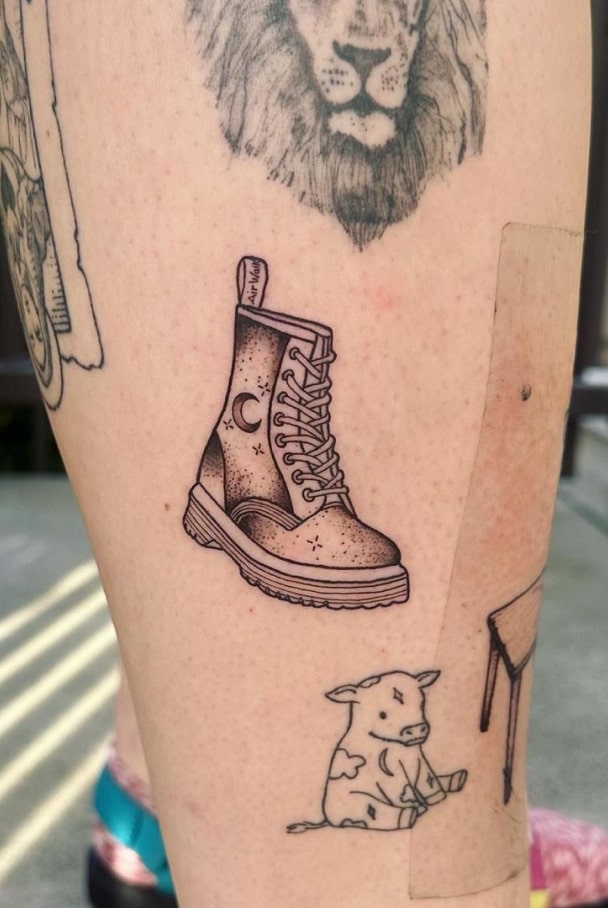


You sat through the session. You tipped your artist. You walked out with fresh ink that looks absolutely incredible. Now what?
→ Shop TNC: TNC Tattoo Numbing Cream | Tattoo Armour SPF 30+
The next few weeks are where your tattoo either heals perfectly — or goes sideways. Most people panic at some point during healing because nobody told them that peeling, itching, and looking like absolute rubbish for a few days is completely normal.
This is your day-by-day guide to every stage of tattoo healing. What to expect, what's normal, what's not, and exactly how to care for your ink from the moment the needle stops to the day it's fully settled.
Tattoo Healing Stages: Day by Day Guide (2026)
How Long Does a Tattoo Take to Heal?
Short answer: 2 to 4 weeks for the surface to heal. 3 to 6 months for the deeper skin layers to fully recover.
The exact timeline depends on:
- Size and detail — A full sleeve takes longer than a small wrist piece
- Placement — Areas with more movement (elbows, knees, feet) heal slower
- Ink saturation — Heavy colour work and blackout tattoos create more trauma than fine line work
- Your body — Age, immune health, hydration, and skin type all matter
- Aftercare — This is the one you can actually control, and it makes the biggest difference
Let's break it down.
Stage 1: The Open Wound (Days 1-3)
What's happening under the skin: Your body has just had thousands of tiny puncture wounds injected with ink. The immune system kicks in immediately — white blood cells rush to the area, blood plasma rises to the surface, and your body begins sealing the wound.Day 1: Fresh Ink
Your tattoo looks vibrant, shiny, and slightly swollen. Think of it like a fresh graze — because that's essentially what it is.
What to expect:- Redness and warmth around the tattoo (your body's inflammatory response)
- Plasma and excess ink oozing from the surface — this is normal, not a sign of ink "falling out"
- Mild to moderate soreness, similar to sunburn
- Your artist will cover it with a bandage, Second Skin (Saniderm/Derm Shield), or TNC Arm/Leg Sleeve
- Traditional bandage/wrap: Remove after 2-4 hours. Gently wash with lukewarm water and a mild antibacterial soap. Pat dry with a clean paper towel — never rub, never use a bath towel (bacteria magnet)
- Second Skin/Saniderm: Leave it on for 24-48 hours unless fluid builds up excessively. The adhesive bandage creates a sealed healing environment
- Apply a thin layer of fragrance-free moisturiser or tattoo-specific aftercare. Less is more — don't suffocate it
- Sleep on clean sheets. If the tattoo is on your arm or leg, avoid sleeping directly on it
Day 2-3: The Weeping Phase
Your tattoo is still oozing plasma and may have a sticky, shiny appearance. Some excess ink will come out on your sheets and clothing — this is normal. The colour hasn't "leaked out."
What to expect:- Continued oozing (less than day 1)
- The shiny, "wet" look starts to dull
- Redness may spread slightly beyond the tattoo edges — this is normal inflammation
- Tightness as the skin starts to dry
- Wash 2-3 times a day with antibacterial foam and lukewarm water
- Apply thin moisturiser after each wash
- Wear loose, breathable clothing over the tattoo
- Stay hydrated — your body is working hard to heal
First tattoo? Check out our First Tattoo Checklist for the complete rundown on what to expect before, during, and after.
Stage 2: The Itching and Peeling Phase (Days 4-14)
This is the stage where most people freak out. Your tattoo is going to look terrible. That's the plan.
Days 4-6: Tightness and Early Flaking
What's happening under the skin: The top layer of damaged skin (epidermis) is drying out and preparing to shed. New skin cells are forming underneath. The ink is settling into the dermis — the deeper layer where it lives permanently. What to expect:- Skin feels tight and dry, like a mild sunburn that's ready to peel
- Light flaking begins — thin, coloured flakes are normal (it's dead skin with surface ink, not your tattoo falling off)
- Itching starts and gets progressively more annoying
- Colours look dull and cloudy — the "milky" phase. This is temporary
- Keep moisturising — dry skin cracks, and cracks can damage the tattoo
- DO NOT scratch. Slap it lightly if the itch is unbearable. Or apply moisturiser for temporary relief
- DO NOT pick at flakes or scabs. Pulling them off can rip out ink and leave patchy spots
- Continue washing gently, but reduce to 2x per day
Days 7-10: Heavy Peeling
This is peak ugly. Your tattoo looks like it's falling apart. It's not.
What to expect:- Large flakes peeling off, often with colour in them
- Underneath, the skin looks shiny, slightly raised, and washed out
- Itching intensifies (this is the body's healing response — histamine release)
- Some areas peel faster than others, creating a patchy, uneven look
- Let it peel naturally. Imagine you're a snake shedding skin — you wouldn't rip it off, would you?
- Keep moisturising consistently
- Avoid tight clothing that sticks to the tattoo and pulls off flakes prematurely
- If a flake is dangling, let it fall off on its own in the shower
Days 11-14: The Cloudy Phase
What to expect:- Most peeling has finished
- The tattoo looks hazy or milky — like there's a thin film over it
- This is a new layer of skin sitting on top of the ink
- Itching decreases
- The skin may still feel slightly raised or textured compared to surrounding skin
- Continue with gentle moisturising
- The cloudiness clears as the new skin matures — give it time
- You can start returning to normal activities, but continue avoiding submersion in water
Concerned something's wrong? Jump to our Normal vs Infected section below.
Stage 3: Surface Healing Complete (Weeks 2-4)
Weeks 2-3: Settling In
What's happening under the skin: The epidermis has mostly regenerated. The dermis is still repairing, and the ink particles are being encapsulated by your body's cells (this is actually how tattoos become permanent — your immune system essentially "traps" the ink). What to expect:- Cloudiness gradually clears
- Colours start to sharpen and look closer to the finished product
- Skin texture normalises
- Some residual dryness, but itching is mostly gone
- Moisturise daily (not 3x a day anymore — just part of your routine)
- You can shower normally but still avoid long baths, pools, and ocean water
- Sunscreen is now critically important if the tattoo is exposed to sunlight. UV damage during this phase can cause permanent colour fading
Week 4: Looking Good
- Surface looks fully healed
- Colours are vibrant (or as vibrant as they'll get)
- Skin feels smooth and normal to the touch
- You can resume swimming, baths, and full sun exposure (with sunscreen — always with sunscreen)
Stage 4: Deep Healing (Months 1-6)
You can't see this stage, but it's happening. The deeper layers of skin continue to repair and restructure for up to six months after the tattoo.
What to expect:- Occasional slight sensitivity in the tattooed area
- Colours may continue to settle and very slightly shift in tone (especially whites and yellows)
- The ink becomes fully "locked in" as collagen reforms around the pigment particles
- Apply sunscreen every time the tattoo is exposed to sun. This is the single most important thing you can do for the longevity of your ink
- Keep the skin moisturised as part of your daily routine
- If you notice any patchiness or colour drop-out after full healing, contact your artist about a touch-up — most offer free touch-ups within the first few months
Normal vs Infected: How to Tell the Difference {#normal-vs-infected-how-to-tell-the-difference}
The most common question during healing: "Is this normal?" Almost always, yes. But here's how to tell.
Completely Normal
- ✅ Redness around the tattoo for the first 3-5 days
- ✅ Clear or slightly ink-coloured plasma oozing (days 1-3)
- ✅ Peeling, flaking, and itching (days 4-14)
- ✅ Dull, milky, or cloudy appearance (days 7-21)
- ✅ Minor scabbing (thin, flat scabs)
- ✅ Slight bruising around the tattoo (especially on sensitive areas)
- ✅ Small amount of ink on sheets or clothing (days 1-3)
Warning Signs — See a Doctor
- ❌ Increasing redness that spreads outward after day 3 (should be decreasing, not increasing)
- ❌ Thick, raised, yellow or green scabs
- ❌ Pus (cloudy, yellow/green discharge with a smell)
- ❌ Hot to the touch after day 3-4 (early warmth is normal; persistent heat is not)
- ❌ Red streaks radiating from the tattoo
- ❌ Fever, chills, or feeling generally unwell
- ❌ Extreme swelling that doesn't improve
- ❌ Rash or hives appearing around (not on) the tattoo — may indicate an allergic reaction
Related: For deeper reading on tattoo safety, see Are Tattoos Dangerous? What the 2026 Cancer Study Actually Says.
Healing Differences by Tattoo Style
Not all tattoos heal the same way. Here's what to expect based on style:
Fine Line / Single Needle
- Faster healing (less skin trauma)
- Less peeling and scabbing
- More vulnerable to ink fallout — if lines look patchy after healing, a touch-up is common and normal
- Extra care needed to avoid picking at delicate thin scabs
Heavy Colour / Traditional
- Longer healing time (more ink, more needle passes)
- Heavier peeling, especially in densely saturated areas
- Colours look very cloudy during weeks 2-3 before popping back
- Reds and yellows may take longest to settle
Blackwork / Blackout
- Most intensive healing — maximum skin trauma
- Heavy scabbing is more common
- Extended oozing phase (days 1-4)
- Itching can be intense due to large surface area
- Full healing may take closer to 6 weeks for large pieces
Watercolour / Soft Shading
- Similar to fine line healing — lighter skin trauma
- Colours may look washed out during the cloudy phase (don't panic — they come back)
- Gentle aftercare is crucial since there are no bold outlines to "anchor" the design
Aftercare Products: What Actually Helps
The tattoo aftercare market is full of overpriced, overhyped products. Here's what you actually need:
Essential:- Antibacterial soap — Keep It Clean Foam or any fragrance-free, dye-free antibacterial wash
- Moisturiser — Fragrance-free, gentle. Heal-Right Tattoo Aftercare Soap for medicated cleansing
- Sunscreen (SPF 30+ once surface healed)
- Second Skin / Saniderm (your artist may apply this)
- Tattoo-specific balms (can help with moisturising during the peeling phase)
- Petroleum-based products (Vaseline) — they suffocate the tattoo
- Products with fragrance, alcohol, or dye
- Neosporin (can cause allergic reactions and affect ink)
- Over-moisturising — your tattoo needs to breathe
Your Complete Healing Checklist
Here's the condensed version you can screenshot and follow:
Days 1-3: Wash 2-3x daily with antibacterial soap → pat dry → thin layer of moisturiser → loose clothing → clean sheets → no touching Days 4-14: Continue washing 2x daily → moisturise to combat itching → DO NOT pick or scratch → let flakes fall naturally → avoid tight clothing Weeks 2-4: Moisturise daily → start using sunscreen on exposed tattoos → resume normal activities gradually → avoid pools/ocean until week 4 Months 1-6: Sunscreen always → stay hydrated → monitor for any late-stage patchiness → book a touch-up if neededHow to Speed Up Healing (and What Slows It Down)
Speeds Up Healing
- Stay hydrated — Your skin heals faster when you're properly hydrated
- Eat well — Protein, vitamins A and C, and zinc all support skin repair
- Sleep — Growth hormone is released during sleep, accelerating tissue repair
- Follow aftercare consistently — Boring answer, but it's the right one
- Use quality aftercare products — Not all soaps and moisturisers are equal
Slows Down Healing
- Smoking — Reduces blood flow to the skin, slowing the healing process
- Alcohol — Thins blood and can increase bleeding and oozing
- Sun exposure — UV radiation damages healing skin and can permanently fade fresh ink
- Gym / heavy sweating — Sweat on a healing tattoo can introduce bacteria (wait 48-72 hours minimum)
- Submerging in water — Pools, baths, oceans, hot tubs — all can introduce bacteria or cause the scab to soften and pull off prematurely
- Picking and scratching — The #1 cause of patchy, uneven healing
Preparing for Your Next Session? Start Pain-Free
If this healing guide is for a tattoo you're planning (not one you've already got), the best thing you can do for your session is go in comfortable.
TNC's Signature Tattoo Numbing Cream gives you up to 3-4 hours of effective numbing — apply it 60-90 minutes before your appointment and remove before your artist starts. For longer sessions, the Miracle Numb Spray provides mid-session top-ups directly on broken skin for up to 6 hours total coverage.Less pain = less flinching = cleaner lines = better healing. Simple.
New to numbing cream? Read our How to Apply Numbing Cream Before a Tattoo (Step-by-Step) guide.
FAQ: Tattoo Healing Stages
How long does it take for a tattoo to fully heal?Surface healing takes 2-4 weeks, when the skin looks and feels normal. Complete deep-tissue healing takes 3-6 months as the dermis fully repairs and the ink becomes permanently encapsulated.
Is it normal for my tattoo to peel?Yes — peeling is one of the most important and expected stages of tattoo healing. It typically begins around day 4-6 and can last until day 14. The coloured flakes are dead skin with surface ink, not your tattoo falling out. Never pick at peeling skin.
Why does my tattoo look faded after peeling?This is the "milky" or "cloudy" phase, and it's completely normal. A thin layer of new skin has formed over the ink, creating a hazy appearance. This clears within 2-4 weeks as the skin matures, and your colours will return to full vibrancy.
Can I work out during tattoo healing?Wait at least 48-72 hours before exercising, and avoid activities that cause direct sweating on the tattoo for the first week. Sweat can introduce bacteria and irritate the healing skin. If your tattoo is on a joint or area of heavy movement, you may need to modify exercises for the first 2 weeks.
When can I swim after getting a tattoo?Wait a minimum of 4 weeks before submerging your tattoo in pools, oceans, hot tubs, or baths. Chlorine, salt water, and bacteria in natural water can all damage healing skin, cause infection, or pull out ink. Showers are fine from day 1 — just keep them brief and avoid high-pressure water directly on the tattoo.
Got a tattoo that's not healing the way you expected? Every person and every piece heals differently — but if something looks wrong, always consult your artist or a dermatologist. Better safe than sorry.